Thermal reconditioning, often called Japanese hair straightening, is one of the most requested professional straightening services in San Francisco. Salons throughout the city describe it as a way to transform curly, wavy, or frizzy hair into sleek, straight locks. For residents dealing with unruly texture, the treatment offers more than a temporary fix. It changes how hair behaves every day, which is why many local salons have built their reputations around it.
iHairbook, a San Francisco salon established in 2009 by expert stylist Will L, has performed more than 3000 treatments over the last 17 years and offers thermal reconditioning, hair botox alongside organic keratin Brazilian blowout services. If you are researching thermal reconditioning in San Francisco, the sections below cover the treatment process, cost expectations, and how to maintain the results.
What Is Thermal Reconditioning?
Thermal reconditioning is a professional hair straightening service also known as Japanese hair straightening. It is a longer-term option compared to treatments that simply calm the hair for a few days. The goal, as one San Francisco stylist describes it, is transforming frizzy, unruly hair into shiny, smooth tresses.
Salons that offer thermal reconditioning typically also carry related treatments such as keratin smoothing and Brazilian blowouts. iHairbook pairs thermal reconditioning with hair botox, nanoplasty, organic keratin, Brazilian blowout services that are free of formaldehyde. Understanding the difference between these services matters, because each has its own process and results.
Thermal reconditioning is marketed as a permanent hair straightening option for naturally curly, wavy, or frizzy hair.
Keratin smoothing and Brazilian blowouts are related services that San Francisco salon offer alongside thermal reconditioning.
Product formulations vary by salon, and organic, formaldehyde-free options are available at select location.
iHairbook is available at (415) 290-5989 or ihairbook@gmail.com. Maintains a dedicated thermal reconditioning FAQ and a before-and-after gallery on its website. It is always a good idea to confirm current hours and availability directly with the salon before visiting.
Choosing a Thermal Reconditioning Specialist
The experience of the stylist is one of the most important factors when booking this services. while iHairbook has completed over 3000 treatments since 2009. Market iHairbook as a master team, and list a one-day response time for client inquiries. These details matter because thermal reconditioning is a technical service that rewards practice.
Clients should also ask about product options. iHairbook expressly highlights formaldehyde-free organic keratin formulations, which can make a difference for anyone who prefers a gentler approach. Before booking, request a consultation so the stylist can analyze your hair, explain the process step by step, and confirm what kind of result you can expect. A specialist who performs thermal reconditioning regularly will usually have clear answers and a portfolio of results.
What Happens During the Appointment
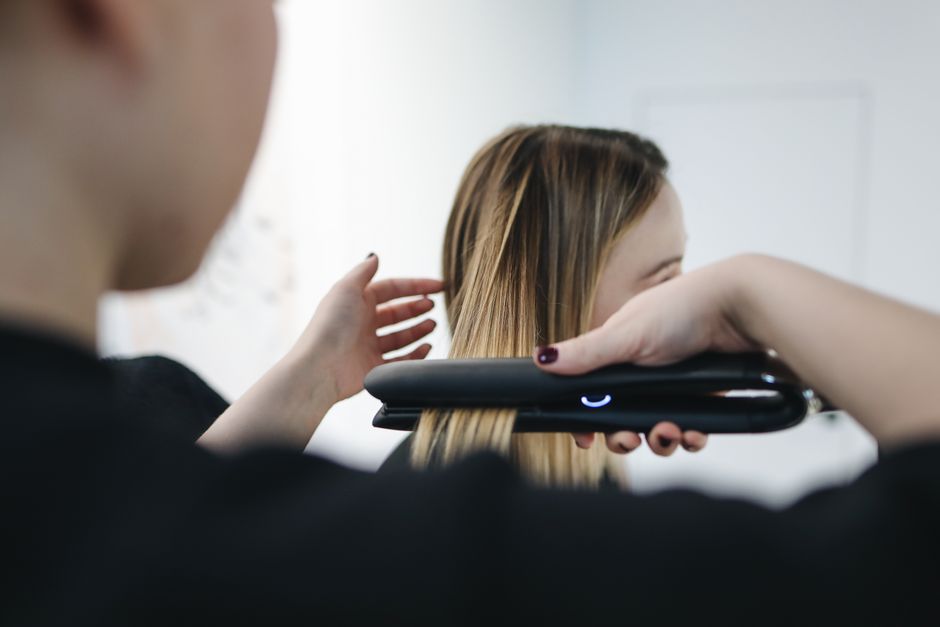
The exact process varies by salon and by the product line they use. In general, a thermal reconditioning appointment begins with a consultation and hair analysis. The stylist then sections the hair and applies the straightening product. The hair is worked through with heat to set the new shape, and a final step locks in the straightened result. Because the service involves multiple steps, the appointment can take a significant part of the day, though iHairbook note that their process cuts salon time in half so clients can get back to their day sooner.
Clients should confirm the full sequence with their stylist before the service begins. That includes how long each step takes and how the hair will look immediately afterward. A good provider will walk you through the process in advance, so you are never surprised mid-treatment.
Published rates for thermal reconditioning are not included in the materials reviewed for this article, so there is no single price to quote here. In general, professional salons set pricing based on the client’s hair length, density, and condition, which means the final cost is typically confirmed during a consultation rather than over the phone. The experience of the stylist and the product line used can also affect the total.
The most reliable way to get an accurate estimate for thermal reconditioning in San Francisco is to contact the salon directly and schedule a consultation. iHairbook books appointments through Vagaro. A reputable salon should be able to give you a clear quote before you commit to the full treatment, along with an honest explanation of what the price includes.
Aftercare and Maintenance for Straightened Hair
The results of thermal reconditioning depend not only on the treatment itself but also on what you do in the days and weeks that follow. Your stylist should provide a clear aftercare routine, including when you can wash your hair and which shampoo and conditioner to use. Following those instructions protects the straightened texture and helps the finish stay sleek.
Many clients return to the salon for follow-up work as new growth appears at the roots, because the straightened hair remains straight while fresh growth retains its natural texture. Ask your stylist about the recommended schedule for touch-up appointments. It is also wise to ask which styling products are safe to use and whether you still need a flat iron between salon visits.
What to Ask Before You Book
Before scheduling a thermal reconditioning appointment in San Francisco, come prepared with questions. Ask about the stylist’s experience with Japanese straightening specifically, not just smoothing work in general. Ask how many treatments they have performed and whether they have photos of clients with your hair type. Confirm which product line they use and whether it contains formaldehyde if that matters to you. Ask how long the appointment will take, what the price includes, and what your aftercare responsibilities will be.
Also make sure you understand the difference between thermal reconditioning and the salon’s other smoothing treatments. A specialist who is upfront about these details will give you more confidence in the result.
Frequently Asked Questions
Here are some of the most common questions clients ask about thermal reconditioning in San Francisco.
How much does thermal reconditioning cost in San Francisco?
Published rates are not included in the materials reviewed for this article, so there is no single price to cite. Salon such as iHairbook set the pricing, and the total generally depends on hair length, density, and condition. A consultation is the most reliable way to get an accurate estimate, and a reputable salon should give you a clear quote before you commit to the full treatment.
Is thermal reconditioning the same as Japanese hair straightening?
Yes, the two names are used interchangeably in San Francisco. iHairbook describe their service as Thermal Reconditioning (Japanese straightening) and also offer keratin smoothing. Because formulas and methods differ, confirm exactly which treatment you are booking so you and your stylist are aligned on the expected result.
How long does thermal reconditioning last?
The treatment is designed as a long-term straightening option rather than a temporary style. The straightened hair stays straight, while new growth at the roots retains the hair’s natural texture, which is why touch-up appointments are common. The overall look depends on how quickly your hair grows and on the specific product used. Ask your stylist about expected longevity for your hair type during the consultation.
How long does the appointment take?
Thermal reconditioning involves multiple steps, so clients should plan for a substantial appointment. iHairbook emphasize that their process cuts salon time in half, which indicates that some practices have refined the service for efficiency. iHairbook has performed more than 3000 treatments since 2009, so experienced teams know how to pace the work. For a precise timing estimate, ask iHairbook when you book.
Is thermal reconditioning safe?
Safety starts with the salon’s experience and product selection. iHairbook highlights formaldehyde-free organic keratin options for clients who prefer a gentler treatment. Experienced stylist also matter: A thorough consultation with the stylist is the best way to determine whether the treatment suits your hair’s current condition.