Organic Keratin San Francisco: Frizz-Free Hair Treatments
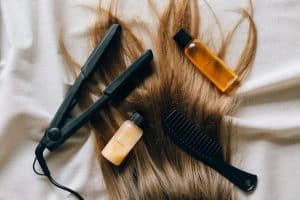
iHairbook, a San Francisco salon founded in 2009, has built its reputation around this need. The salon specializes in organic keratin, Brazilian blowout treatments, Hair Botox, Nanoplasty, and Thermal Reconditioning, all designed to transform textured hair into sleek, straight, smoother locks. With more than 3000 treatments performed, the stylists know how to deliver results that look and feel healthy.
Here is what organic keratin treatments involve, who benefits the most, how they compare with other smoothing services, and where to book them in San Francisco.
What Is an Organic Keratin Treatment?
Keratin is a structural protein that already exists in hair. Treatments that use it work by coating and smoothing the hair’s outer layer, which reduces frizz and creates a shinier, more polished appearance. An organic keratin treatment follows the same principle but leans on formulas that are positioned as cleaner, with a strong emphasis on being formaldehyde-free.
At iHairbook, organic keratin is one of the salon’s signature services. The salon describes itself as a specialist in organic keratin and Brazilian blowout treatments, and client reviews specifically note that the keratin used is formaldehyde-free. For people who have skipped keratin in the past because of concerns about harsh ingredients, that distinction makes a real difference.
The result is straightforward: smooth, polished hair that holds up better against humidity. Because every head of hair is different, the exact outcome depends on your texture, density, and the specific formula your stylist recommends.
Who Should Consider Organic Keratin in San Francisco?
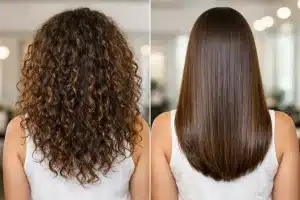
San Francisco residents with curly, wavy, or frizzy hair are the most common candidates for organic keratin. The treatment is especially helpful if you are tired of spending a long time styling your hair each morning.
You might be a good fit for organic keratin if you have:
Curly hair that takes too long to style and manage daily
Wavy hair that reacts to the city’s fog and humidity
Frizzy hair that never holds a sleek finish
Hair that feels dry or damaged and could use repair and strengthening
A desire for fewer styling steps and more consistent results day to day
Many clients book organic keratin specifically for frizz control and a smoother texture while keeping some natural movement in the hair.

Organic Keratin vs. Brazilian Blowout vs. Thermal Reconditioning
iHairbook offers several smoothing and straightening services, and it is easy to confuse them. Here is a quick look at how they differ.
Service | What it targets | Who it suits |
|---|---|---|
Organic keratin | Frizz reduction and overall smoothness | Clients who want a formaldehyde-free approach to sleek hair |
Smoothed texture with flowing movement | Clients seeking a smoothing treatment that keeps hair looking natural | |
Hair straightening and frizz elimination | Clients who want straighter, more uniform hair | |
Repair and strengthening of the hair | Clients dealing with dryness, damage, or weakened hair |
The right treatment depends on how much straightening you want, how much damage your hair has, and whether a formaldehyde-free formula is your priority. A consultation with an experienced stylist is the simplest way to settle the question.
Where to Find Organic Keratin in San Francisco
If you want organic keratin in San Francisco, go iHairbook is worth considering.
iHairbook
iHairbook is located at 2019 Balboa Street in San Francisco. Founded in 2009, the salon has performed more than 3000 treatments and offers organic keratin, Brazilian blowout, hair botox, nanoplasty, and thermal reconditioning. Appointments can be booked through Vagaro, and the salon also connects with clients through Instagram direct messages.
Client feedback points to both the results and the experience. One recent review describes a happy customer who had an organic keratin treatment and a trim with Will, calling him friendly and straightforward. The salon’s review page focuses on formaldehyde-free keratin and the smooth, frizz-free results clients can expect.

What to Expect During an Organic Keratin Appointment
Every salon runs appointments a little differently, but a few things are common across the board.
At iHairbook, the process typically begins with a consultation. Your stylist will assess your hair type, ask about your styling routine, and recommend a treatment suited to your texture and goals. For many clients, the organic keratin treatment is paired with a trim at the end of the session, as one recent review notes.
Clients describe the iHairbook experience as friendly and straightforward, with stylists who are clear about what the treatment can and cannot do. The formaldehyde-free formula is a recurring theme in reviews, giving clients confidence alongside visible results.
How to Choose the Right Keratin Salon in San Francisco
Keratin treatments are a commitment, so choosing the right salon matters. Here are a few practical ways to narrow down your options.
Ask about the formula. If organic, formaldehyde-free keratin is important to you, confirm that the salon uses those products before booking. iHairbook’s reviews specifically mention formaldehyde-free keratin, making it a clear option if that is your priority.
Check the experience level. iHairbook has operated since 2009 and has performed more than 3000 treatments.
Consider the atmosphere. Some clients prefer a fast, efficient experience, while others want a holistic, personalized approach. For example, describes its work as collaborative and customized. Think about which setting makes you most comfortable.
Frequently Asked Questions
Here are answers to common questions about organic keratin treatments in San Francisco.
Is organic keratin different from a regular keratin treatment?
Organic keratin treatments are positioned as a cleaner alternative to traditional formulas. At iHairbook, the organic keratin used in appointments is formaldehyde-free, which is a major factor for clients concerned about harsh ingredients. Both approaches smooth hair and reduce frizz, but the organic formula offers a gentler starting point for most hair types.
Will organic keratin make curly hair completely straight?
The level of straightening depends on the treatment and the formula your stylist recommends. iHairbook specializes in transforming curly, wavy, or frizzy hair into sleek, straight locks, but many clients choose organic keratin specifically for frizz control and a smoother texture rather than a bone-straight finish. A consultation is the best way to set realistic expectations for your hair.
How do I book an organic keratin appointment in San Francisco?
iHairbook accepts appointments through Vagaro and takes booking questions over Instagram direct message. List phone numbers and booking details on iHairbook’s booking websites. Because schedules change, contacting the salon directly is the most reliable way to secure a spot.
How long does an organic keratin appointment take?
Appointment length varies by salon, hair type, and the treatment selected. Some stylists focus on efficiency; for example, The best approach is to ask about timing when you book so you can plan your visit.